Calvert cliffs State Park
calvert County


After a moderate hike through woods and wetland marshes, Calvert cliff's beach features stunning fossilized cliffs and a beach great for a swim or shark teeth searching

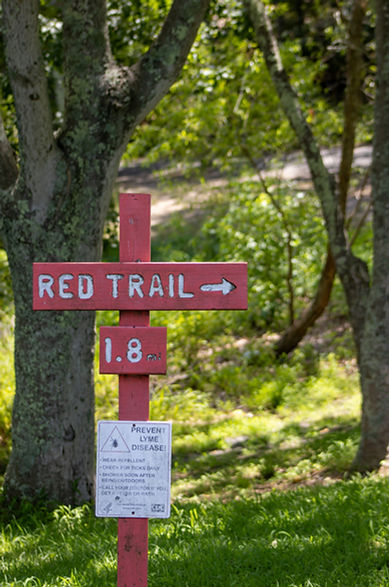
Calvert Cliffs State Park, open sunrise to sunset, is a great place to experience Maryland's variety of scenery. Following the Red Trail, there is about a two mile path through woodlands and boardwalked marshes, leading to the water where you emerge into a stunning shoreline with huge cliffs of ancient fossils. Formed over 10 million years ago, they're a bit fragile, but absolutely beautiful. To protect these cliffs, you aren't allowed underneath them, but there is plenty of beach space to hunt for fossilized shark teeth and go for a cool swim after the warm hike. This park is well protected, making it a great place to spot wildlife. There is a total of 13 miles of trail available to hike and a recycled tire playground at the start. Make sure to bring water, sunscreen, and 5$ for the vehicle entry fee. Fishing and swimming are allowed on the beach, and pets must be leashed.
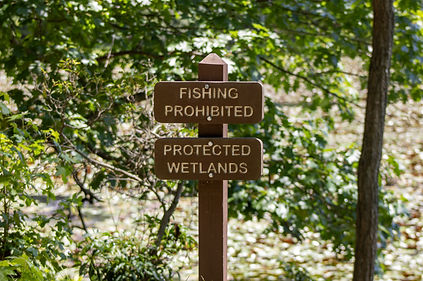


our experience
On a warm day mid July, we followed the red trail through Calvert Cliffs. Starting crossing a bridge over pond and marsh, we were quickly very excited for what this trip would hold, as the park was abuzz with life already.


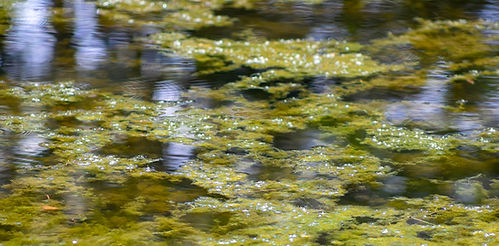

Immediately, we were met by a variety of wildlife. The marsh just outside the parking lot was home to a variety of bugs, including my favorite- dragonflies. Not only did many of them pose for me, but we were also very thankful for them eating the mosquitos before they could come after us. We also encountered a lot of Red Eared Sliders, medium sized turtles with red stripes on their heads. Red eared sliders are actually invasive, but the ecosystem still seemed to be thriving.


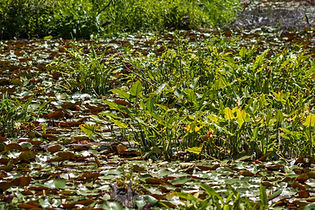
After crossing the bridge, we started down the trail, passing marshes on either side. The trail was mostly a regular worn dirt trail but partially boardwalks over the especially wet areas. The marshes were full of lily pads and blooming water lilies, and it wasn't hard to spot a fish, frog, or turtle. The hike took a decent amount of time, and it was definitely warm out, but a majority of the trail was shaded and there were rest stop benches.




We could tell we were nearing the beach as the dirt turned more sandy and shells were visible along the trail. Coming around the corner, we could see the opening where trail turned to beach. Emerging onto the beach was like being transported to a whole new world. After an hour of shaded forest trails, we were suddenly on a breathtakingly bright and blue shoreline. Looking to the sides, towering cliffs with unique stone patterns and topped by trees made us feel tucked away in a cove. There were a couple families out on the beach swimming, fishing, and searching through the sand with filters.


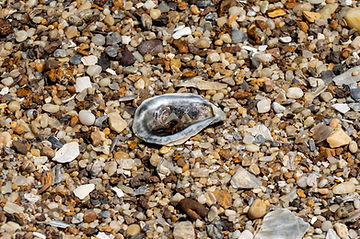
You could see all the different layers of sediment in the cliffs, and the parts close to the beach seemed to be made of a fragile, clay-like material. Along the shore were plenty of fun rocks to sort through, and we spent some time searching for fossils. We found a sand dollar imprint, what we thought might be a shark tooth, and plenty of pretty colored stones.


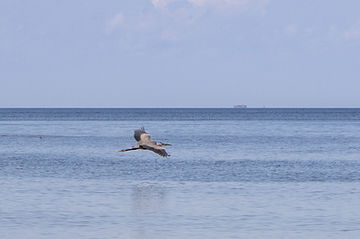
Near the shoreline, we watched a blue heron glide across the water. After fossil hunting, a chat with the park ranger about local wildlife species, and splashing in the water long enough to cool off, we started our way back to the parking lot. We definitely recommend bringing a bathing suit, as we didn't want to get our clothes wet before the hike back. Newly refreshed, the walk back out felt a lot shorter. Calvert Cliffs was one of our overall favorite trips, and we will definitely be finding time to go back just to enjoy the scenery.
Creature feature: Beavers
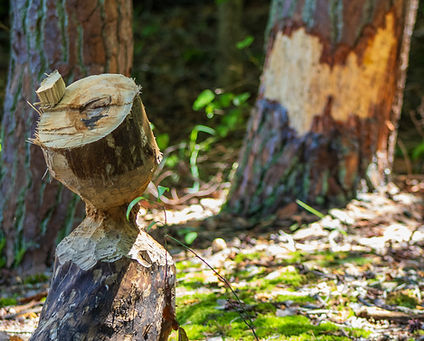
While we didn't see any actual beavers, we saw plenty of beaver "evidence". Along the trail, we spotted many trees eaten away by beavers, and close to the beach we even spotted a beaver dam creating a little waterfall.
Beavers are large rodents, with continuously growing teeth perfect for gnawing at trees. They eat tree bark, then take twigs and chunks of tree to build dams, creating ponds and regulating the flow of water. These dams help protect the aquatic life and shape the wetlands. They also help preserve the habitat from erosion and act as filters. Beavers help to keep the ecosystem at Calvert Cliffs protected and balanced.



Creature feature: Phragmites
Phragmites is one of those invasive species that looks harmless at first glance until you realize it has quietly taken over the whole place. It spreads fast, grows tall and dense, and can crowd out native plants that birds, insects, and other wildlife actually depend on. Once it moves in, it can change the whole character of a wetland by blocking light, altering water flow, and turning a diverse habitat into a near-monoculture.
Phragmites doesn’t just replace other plants, it reshapes the ecosystem around itself. Native marsh grasses and wildflowers get squeezed out, which means fewer food sources and nesting spots for wildlife. In a landscape that should be full of variety, phragmites can make everything strangely uniform and a little lifeless, though it looks like a simple marshgrass to most.Getting rid of it usually takes persistence, because this plant does not leave politely. The most effective control methods often combine cutting, herbicide treatment, and long-term monitoring, sometimes with repeated follow-up over several seasons. In some places, managers also use controlled burning or careful mowing to weaken it, but the real key is consistency, because if you stop too soon, it tends to come right back.


